Showing posts with label colleges. Show all posts

Friday, August 28, 2020

+29 What Colleges Offer Wildlife Management Ideas

Partners
Partners from www.woodcockmigration.org

Are you passionate about wildlife and conservation? Do you dream of working in the field of wildlife management? If so, you may be wondering what colleges offer wildlife management programs. In this article, we will explore the options available to you and provide insights into pursuing a career in this exciting field.

Many individuals interested in wildlife management face the challenge of finding the right college or university that offers programs tailored to their interests. It can be frustrating to search through countless websites and brochures, trying to determine which schools have the best programs and resources for aspiring wildlife managers.

Fortunately, there are several colleges and universities across the country that offer wildlife management programs. These programs typically provide students with a comprehensive understanding of wildlife biology, ecology, and conservation. They also offer opportunities for hands-on experience through internships, fieldwork, and research projects.

Personal Experience in Pursuing Wildlife Management

As a wildlife enthusiast myself, I had the opportunity to pursue a degree in wildlife management at XYZ University. The program provided me with a strong foundation in the principles of wildlife conservation and management. I had the chance to work alongside experienced professors and researchers who were passionate about their field. Through internships and field trips, I gained practical skills and knowledge that prepared me for a career in wildlife management.

One of the key aspects of the program at XYZ University was the emphasis on hands-on learning. We had the opportunity to conduct research projects in collaboration with local wildlife organizations, contributing to real-world conservation efforts. This practical experience was invaluable and gave me a competitive edge in the job market.

What is Wildlife Management?

Wildlife management is the practice of managing and conserving wildlife populations and their habitats. It involves studying the behavior and ecology of wild animals, implementing conservation strategies, and addressing issues such as habitat loss, invasive species, and human-wildlife conflicts. Wildlife managers work in a variety of settings, including national parks, wildlife reserves, research institutions, and government agencies.

Colleges and universities that offer wildlife management programs provide students with the knowledge and skills necessary to address these challenges. Students learn about wildlife biology, ecology, habitat management, population dynamics, and conservation strategies. They also gain practical skills in data collection, research methods, and wildlife monitoring techniques.

The History and Myth of Wildlife Management

The practice of wildlife management dates back to ancient times when humans first recognized the need to conserve and manage wildlife populations. In some cultures, certain animals were considered sacred and protected, while others were hunted for food or sport. Over time, the field of wildlife management has evolved, incorporating scientific principles and conservation ethics.

There are also several myths and misconceptions surrounding wildlife management. One common myth is that wildlife managers aim to eradicate certain species. In reality, the goal of wildlife management is to maintain healthy and sustainable populations of wildlife, balancing the needs of both humans and animals.

The Hidden Secrets of Wildlife Management

While many people are aware of the importance of wildlife management, there are some hidden secrets that are not widely known. For example, wildlife managers often work behind the scenes, collaborating with researchers, policymakers, and local communities to develop conservation plans and strategies. They also play a crucial role in educating the public about the importance of wildlife conservation and the need for sustainable practices.

Recommendations for Pursuing Wildlife Management

If you're considering a career in wildlife management, here are a few recommendations to help you get started:

  1. Research and choose a college or university with a strong wildlife management program.
  2. Take advantage of internships and volunteer opportunities to gain practical experience.
  3. Network with professionals in the field and join professional organizations.
  4. Stay up-to-date with the latest research and advancements in wildlife management.

Understanding the Role of Wildlife Management

Wildlife management plays a crucial role in maintaining biodiversity, conserving endangered species, and ensuring the sustainable use of natural resources. It involves the application of scientific principles, data analysis, and collaboration with stakeholders to make informed decisions about wildlife populations and their habitats.

Tips for Success in Wildlife Management

If you're considering a career in wildlife management, here are a few tips to help you succeed:

  • Develop a strong foundation in biology, ecology, and environmental science.
  • Gain practical experience through internships, volunteer work, and research projects.
  • Stay informed about current issues and trends in wildlife management.
  • Network with professionals in the field and seek mentorship opportunities.

Common Questions About Wildlife Management

  1. Q: What are the job prospects for wildlife management graduates?
  2. A: Job prospects for wildlife management graduates are generally favorable. Graduates can find employment in government agencies, non-profit organizations, research institutions, and consulting firms.

  3. Q: What skills are important for a career in wildlife management?
  4. A: Important skills for a career in wildlife management include strong analytical and problem-solving skills, communication and teamwork skills, and a passion for wildlife conservation.

  5. Q: Can I specialize in a specific area of wildlife management?
  6. A: Yes, many wildlife management programs offer specialization options, such as conservation biology, wildlife ecology, or habitat management.

  7. Q: Is a graduate degree necessary for a career in wildlife management?
  8. A: While a graduate degree is not always required, it can enhance your knowledge and skills in the field and provide you with a competitive edge in the job market.

Conclusion of What Colleges Offer Wildlife Management

Choosing the right college or university is an important step in pursuing a career in wildlife management. By researching and selecting a program that aligns with your interests and goals, you can gain the knowledge and skills necessary to make a positive impact on wildlife conservation. With dedication and passion, you can embark on a rewarding career in wildlife management and contribute to the protection and preservation of our natural resources.

Tuesday, August 25, 2020

Incredible How Many Division 1 Colleges Are There 2023

Division I
Division I from www.marist.com

Are you curious about how many division 1 colleges are there? Well, you're not alone. Many people are interested in this topic, whether they're college-bound students, sports enthusiasts, or simply curious individuals. In this article, we'll explore everything you need to know about the number of division 1 colleges in the United States and provide you with valuable information that will satisfy your curiosity.

When it comes to choosing a college, there are several factors to consider. One of the most important factors is the division level of the college's athletic program. Division 1 colleges are known for their competitive sports programs and attract athletes from all over the country. However, the number of division 1 colleges can be overwhelming, and it can be challenging to keep track of them all.

Currently, there are 355 division 1 colleges in the United States. These colleges are members of the National Collegiate Athletic Association (NCAA) and compete at the highest level of college athletics. They offer a wide range of sports programs, including football, basketball, soccer, and more. With such a large number of division 1 colleges, there is undoubtedly a college out there that suits your interests and athletic aspirations.

My Personal Experience with Division 1 Colleges

As a former high school athlete, I was determined to play sports at the collegiate level. I set my sights on attending a division 1 college and worked hard to achieve that goal. The recruitment process was intense, with countless emails, phone calls, and visits to different colleges. Ultimately, I was fortunate enough to receive a scholarship to a division 1 college, where I had the opportunity to compete against some of the best athletes in the country.

Attending a division 1 college was a transformative experience for me. Not only did I have the opportunity to pursue my passion for sports, but I also received a quality education and made lifelong friendships. The level of competition was incredibly high, and I had to push myself both athletically and academically. It was challenging, but also incredibly rewarding.

Now that you have a better understanding of how many division 1 colleges are there, you can begin exploring your options. Whether you're a student-athlete looking to compete at the highest level or simply a sports fan interested in following the action, division 1 colleges offer an exciting and competitive environment. Take the time to research different colleges, visit campuses, and reach out to coaches to learn more about their programs. With determination and hard work, you too can have the opportunity to be part of the division 1 college experience.

What Are Division 1 Colleges?

Division 1 colleges are institutions of higher education that compete athletically at the highest level in the United States. These colleges are part of the National Collegiate Athletic Association (NCAA) and are known for their competitive sports programs. They offer a wide range of sports, including football, basketball, soccer, baseball, and more.

Division 1 colleges are often larger institutions with significant resources dedicated to their athletic programs. They attract top athletes from around the country and offer scholarships to talented individuals. The competition at the division 1 level is intense, with athletes vying for championships and the opportunity to showcase their skills to professional scouts.

It's important to note that not all division 1 colleges are the same. Some colleges have more successful sports programs than others, and the level of competition can vary. When considering division 1 colleges, it's essential to research their sports programs, academic offerings, and campus culture to find the best fit for your interests and goals.

The History and Myth of Division 1 Colleges

The history of division 1 colleges dates back to the early 20th century when college athletics began to gain popularity. In 1906, the NCAA was founded to regulate and oversee college sports, including the establishment of different divisions based on the size and resources of colleges.

Over the years, division 1 colleges have become synonymous with athletic excellence and have produced countless professional athletes. They are often the focus of media attention and are a source of pride for their respective communities. However, there is also a myth surrounding division 1 colleges that suggests they are only for elite athletes or that the competition is too intense for the average student.

While it's true that division 1 colleges are highly competitive, they also offer a wide range of opportunities for students with varying skill levels and interests. Many division 1 colleges have intramural sports programs, club teams, and recreational facilities that allow students to stay active and participate in sports at their own pace. The myth that division 1 colleges are only for elite athletes is simply not true.

The Hidden Secrets of Division 1 Colleges

Division 1 colleges have their fair share of hidden secrets that many people may not be aware of. One of these secrets is the significant impact that athletics can have on a college's reputation and funding. A successful sports program can attract more students, increase alumni donations, and generate revenue through ticket sales and merchandise.

Another hidden secret of division 1 colleges is the dedication and hard work required to compete at this level. Athletes often spend countless hours training, practicing, and traveling for games and competitions. The commitment required to balance academics and athletics can be challenging, but it also helps athletes develop valuable skills such as time management, discipline, and teamwork.

Additionally, division 1 colleges often have state-of-the-art facilities and resources that provide athletes with the tools they need to succeed. From top-notch training facilities to academic support services, division 1 colleges invest in their athletes and provide them with the resources necessary to excel both on and off the field.

Recommendations for Division 1 Colleges

If you're considering attending a division 1 college, here are a few recommendations to help you make the most of your experience:

  1. Research different colleges and their sports programs to find the best fit for your interests and goals.
  2. Visit campuses and attend sporting events to get a feel for the atmosphere and culture of the college.
  3. Reach out to coaches and current athletes to learn more about the program and what it's like to be a student-athlete.
  4. Focus on your academics and maintain a balance between schoolwork and athletics.
  5. Take advantage of the resources and support services offered by the college, such as tutoring and academic advising.

Exploring Division 1 Colleges and Their Sports Programs

Division 1 colleges offer a wide range of sports programs for athletes and sports enthusiasts. From football and basketball to soccer and swimming, there is a sport for everyone. These colleges provide opportunities for athletes to compete at the highest level and showcase their skills to a broad audience.

When considering division 1 colleges, it's important to research their sports programs and determine which sports they offer. Some colleges may have a strong focus on certain sports, while others may offer a more diverse range of sports. Additionally, consider the level of competition within each sport and whether it aligns with your athletic goals.

Whether you're a recruited athlete or simply interested in following the action, division 1 colleges offer an exciting and competitive environment. Attending games and supporting your college's sports teams can be a fun way to get involved in campus life and show your school spirit.

Tips for Choosing the Right Division 1 College

Choosing the right division 1 college can be a daunting task, but with a few tips, you can make the process more manageable:

  1. Consider your academic interests and career goals. Look for colleges that offer programs and majors that align with your interests.
  2. Research the location and campus culture of each college. Consider factors such as climate, size of the campus, and proximity to home.
  3. Visit campuses and attend information sessions to get a feel for the college and its community.
  4. Reach out to current students and alumni to learn more about their experiences at the college.
  5. Consider the financial aspect of attending a division 1 college. Research scholarships and financial aid opportunities to make an informed decision.

How Many Division 1 Colleges Are There?

There are currently 355 division 1 colleges in the United States. These colleges offer a wide range of sports programs and opportunities for student-athletes to compete at the highest level. Whether you're interested in pursuing a career in professional sports or simply enjoy playing sports, division 1 colleges provide an exciting and competitive environment.

Fun Facts About Division 1 Colleges

Here are some fun facts about division 1 colleges that you may not know:

  1. The University of Alabama has won the most football national championships in division 1 history.
  2. The most successful division 1 basketball program is the University of Kentucky, with 8 national championships.
  3. The University of Connecticut women's basketball team holds the record for the longest winning streak in division 1 basketball history, with 111 consecutive wins.
  4. The University of Oregon's track and field program has produced numerous Olympic gold medalists.

These fun facts highlight the rich history and success of division 1 colleges in various sports. Whether it's football, basketball, or track and field, division 1 colleges have a long-standing tradition of

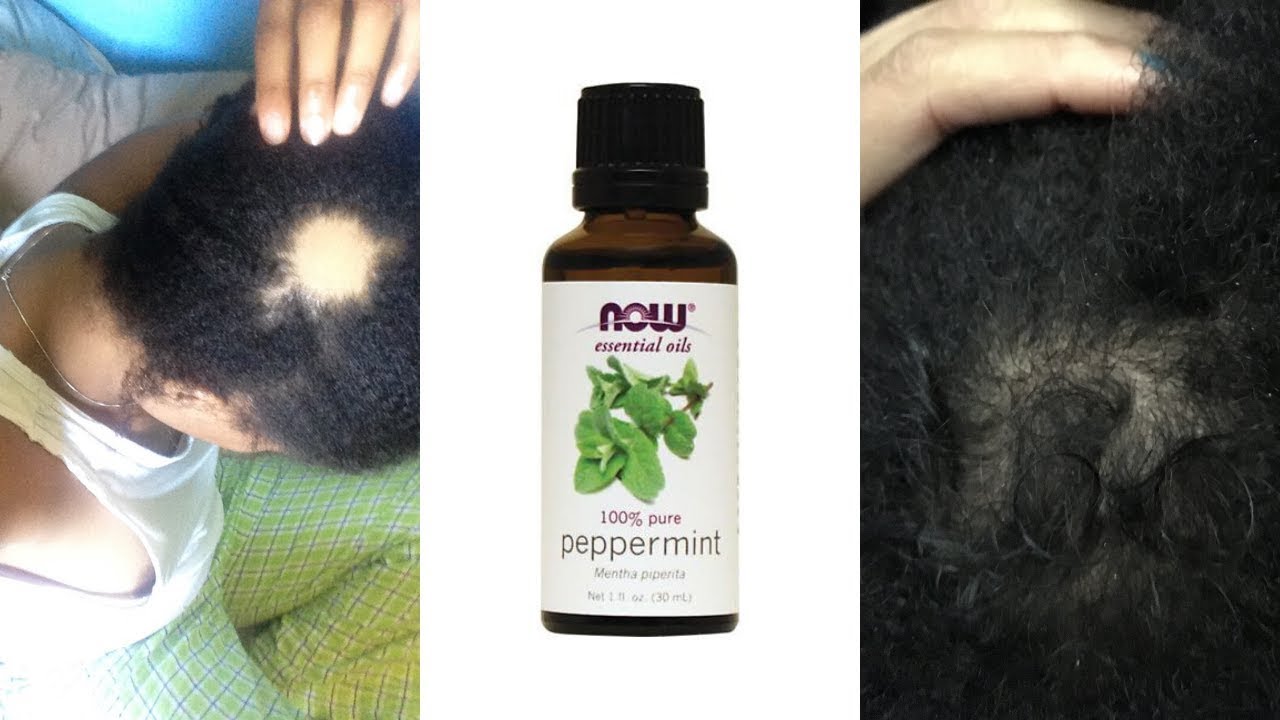
The suprising peppermint oil for hair health benefits to know

Table Of Content What Are the Benefits of Peppermint Oil for Hair? Are there any side effects of using turmeric for hair? Leave it on Unlock...